EasyTrip vs Autosweep 2026: Which RFID Do You Actually Need?
If you have ever missed a toll lane because you had the wrong RFID sticker, you already know the frustration. The EasyTrip vs Autosweep debate is not just about brand preference. It is about which expressways you actually use, how much you are willing to spend upfront, and how often you want to reload.
Here’s the thing: most Filipino drivers still do not fully understand the difference. And in 2026, with the Toll Regulatory Board (TRB) and the Department of Transportation (DOTr) still pushing toward a unified toll collection system.
The question of which RFID to get is more relevant than ever. Let me break this down clearly so you can stop guessing.
What Are EasyTrip and Autosweep, Exactly?
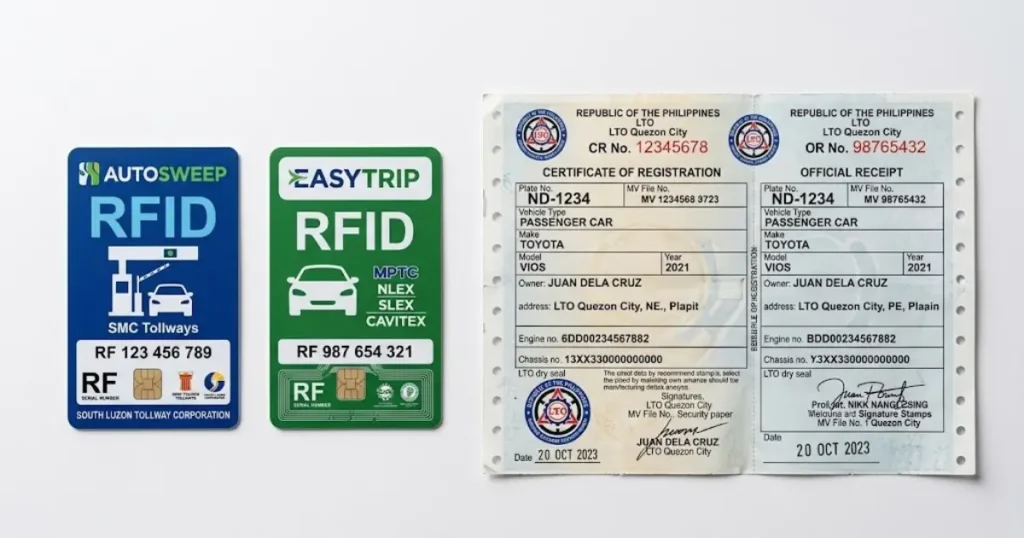
Autosweep is the RFID system operated by SMC Tollways, a subsidiary of San Miguel Corporation. It covers expressways along the southern and some central Metro Manila corridors.
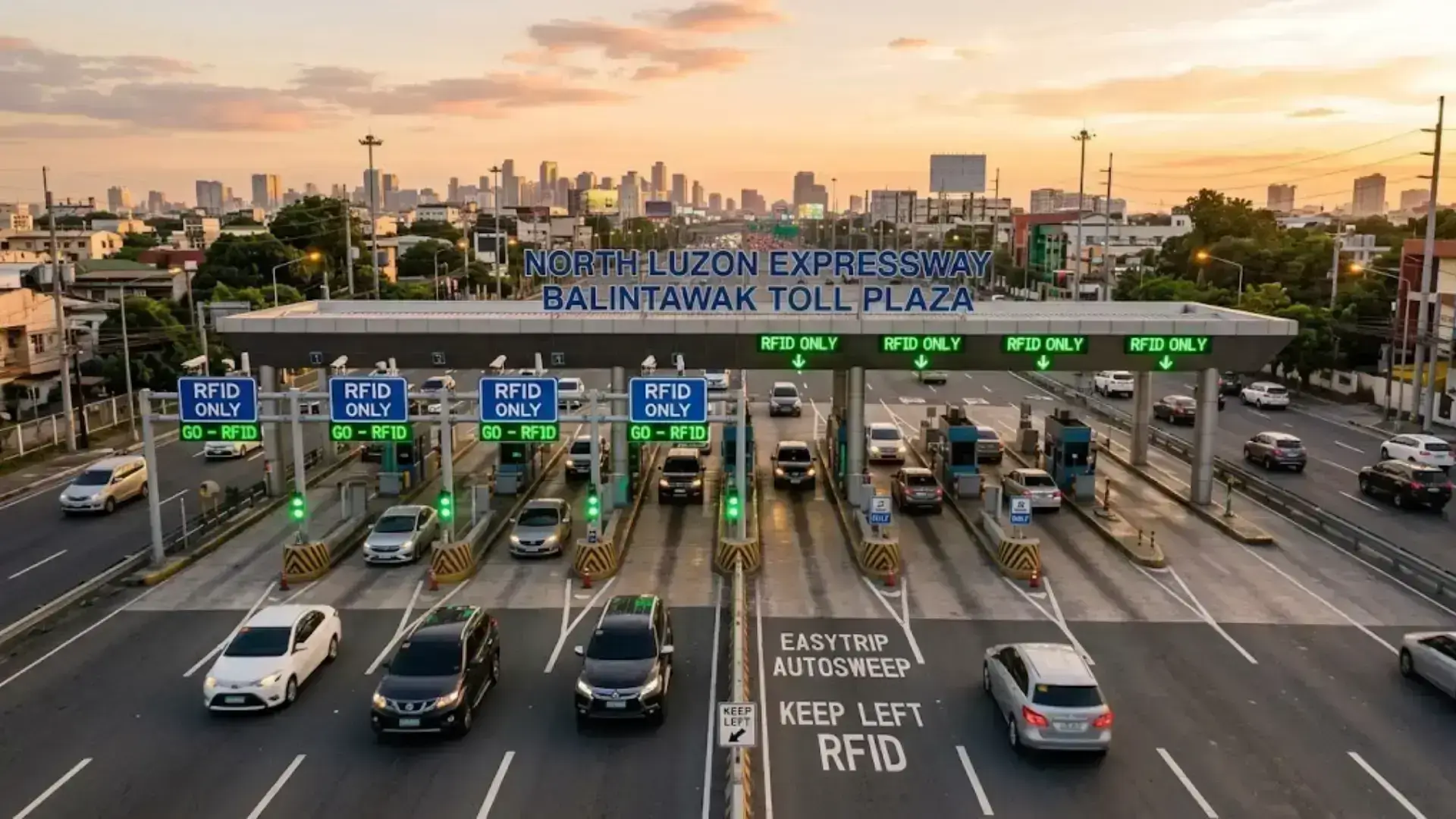
EasyTrip is managed by Metro Pacific Tollways Corp (MPTC) and handles the northern expressway network and several key roads in and around Metro Manila.
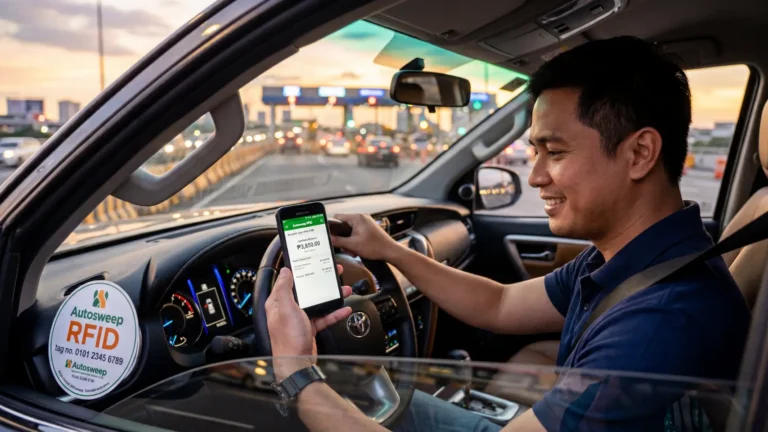
Both are cashless toll payment systems that use RFID sticker technology. You stick the tag on your windshield, load credits onto your account, and the toll is automatically deducted as you pass through. No stopping, no coins, no stress.
They are not interchangeable. Each system only works on its own network of toll plazas.
Why This Still Matters in 2026
By now, the Philippines would have one single RFID system. The TRB and DOTr have talked about interoperability for years. And while there has been progress on paper, as of 2026, EasyTrip and Autosweep still operate as two separate RFID accounts on two separate platforms.
That means if you drive both northern and southern expressways regularly, you need both. You also need to maintain sufficient balances on each account separately. Miss a top-up on one, and you could get flagged at a toll plaza even if your other account has plenty of credits.
For regular expressway users, this dual-system reality is the single biggest pain point. Understanding the coverage map is your first step to solving it.
Autosweep vs EasyTrip: Coverage Breakdown
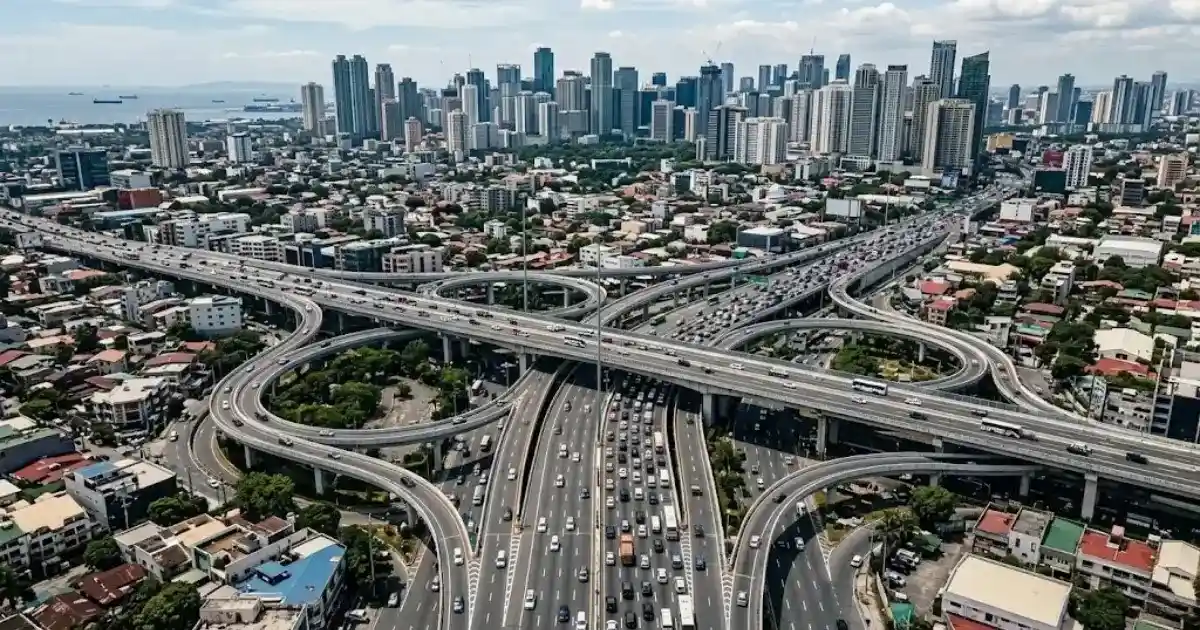
Autosweep Covers These Expressways
Autosweep RFID works on 6 major expressways operated by SMC Tollways:
- SLEX (South Luzon Expressway)
- Skyway (including Skyway Stage 3)
- STAR (Southern Tagalog Arterial Road)
- NAIAX (Ninoy Aquino International Airport Expressway)
- MCX (Muntinlupa-Cavite Expressway)
- CAVITEX (Cavite Expressway)
If you are regularly driving south from Metro Manila, toward Alabang, Calamba, or the airport, Autosweep is non-negotiable.
EasyTrip Covers These Expressways
EasyTrip RFID covers 7 expressways under the MPTC network:
- NLEX (North Luzon Expressway)
- SCTEX (Subic-Clark-Tarlac Expressway)
- TPLEX (Tarlac-Pangasinan-La Union Expressway)
- CALAX (Cavite-Laguna Expressway)
- NLEX Connector
- Harbor Link
- CAVITEX (shared coverage in some sections)
That’s a combined total of over 109 toll plazas under MPTC’s network. If you are heading north toward Bulacan, Pampanga, or Subic, EasyTrip is your system.
Most people miss this: CALAX and parts of CAVITEX are served by EasyTrip, not Autosweep, even though they’re in Cavite. Always double-check before you assume.
Cost Comparison: What Do You Actually Pay?
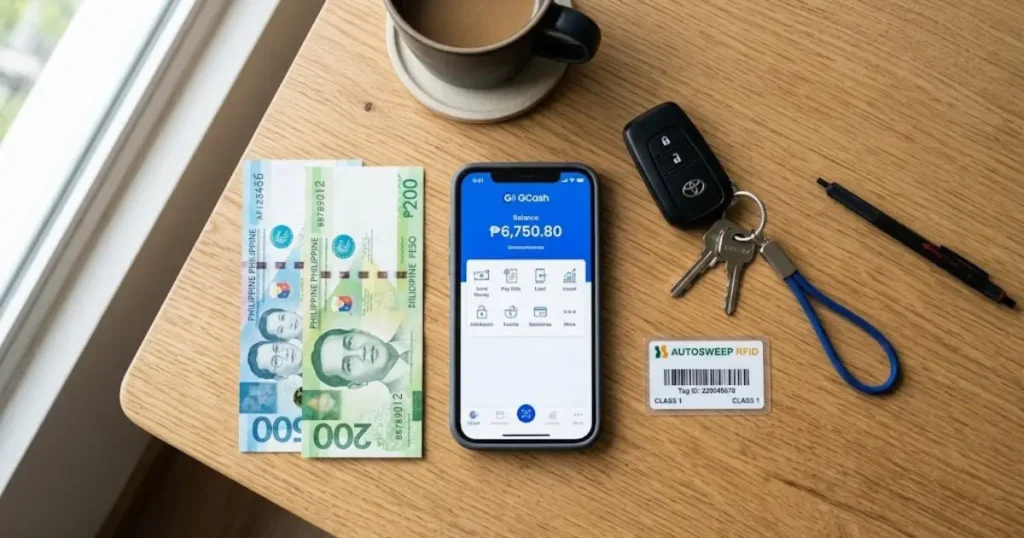
Let’s get into the numbers because this is where most people get confused.
Autosweep RFID Cost (2026)
|
Item |
Cost |
|---|---|
|
RFID Sticker |
₱200 |
|
Minimum Initial Load |
₱500 |
|
Total One-Time Cost |
₱700 |
Your ₱200 sticker fee is a one-time charge. The ₱500 initial load goes into your account and is used for actual toll payments.
EasyTrip RFID Cost (2026)
| Item | Cost |
|---|---|
| RFID Sticker | ₱200 |
| Minimum Initial Load | ₱300 (Class 1 vehicles) |
| Total One-Time Cost | ₱500 |
EasyTrip’s minimum initial load is slightly lower, making the upfront cost a bit friendlier. However, some vehicle classes require ₱400 or more.
If you get both, which many Metro Manila drivers eventually do, you’re looking at roughly ₱900 to ₱1,000+ total as a one-time cost. That’s a real consideration, especially if you’re setting up a second vehicle.
How to Reload: GCash, Banks, and More
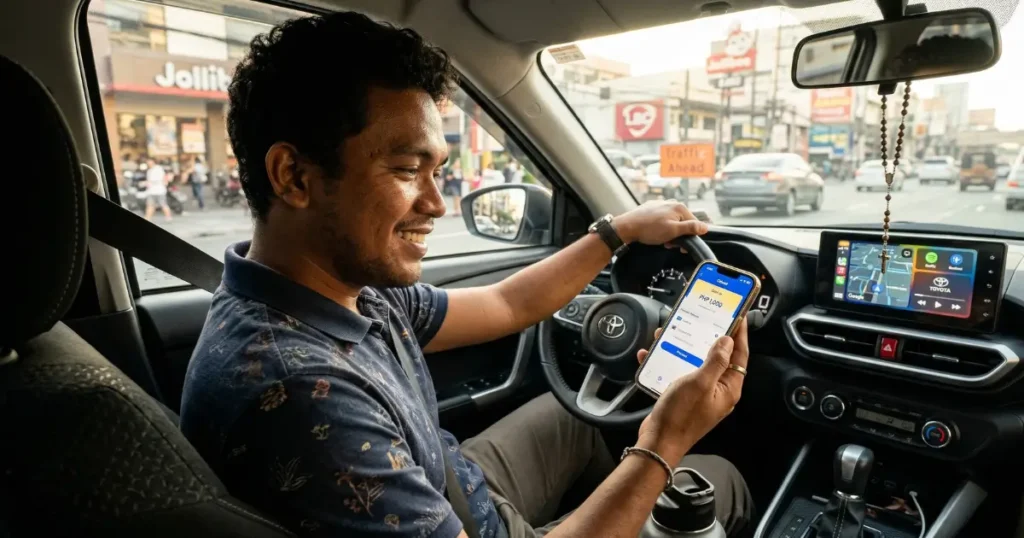
Both systems have expanded their reload channels significantly. Here’s where you can top up:
Autosweep Reload Options
- Autosweep app (Android and iOS)
- autosweep.com.ph website
- GCash and Maya
- Banks: BDO, BPI, Metrobank, UnionBank
- Bayad Center
- 7-Eleven CLiQQ kiosks
- Toll plazas (cash reload)
EasyTrip Reload Options
- Easytrip RFID app (Android and iOS)
- easytrip.ph website
- GCash and Maya
- Banks: BDO, BPI, Metrobank, UnionBank
- Bayad Center
- 7-Eleven CLiQQ kiosks
- Toll plazas and partner outlets
Both are fairly even here. GCash is the most popular reload method for most users because it’s instant and you can do it while sitting in traffic (as a passenger, please).
App Features: which is better Autosweep or Easytrip
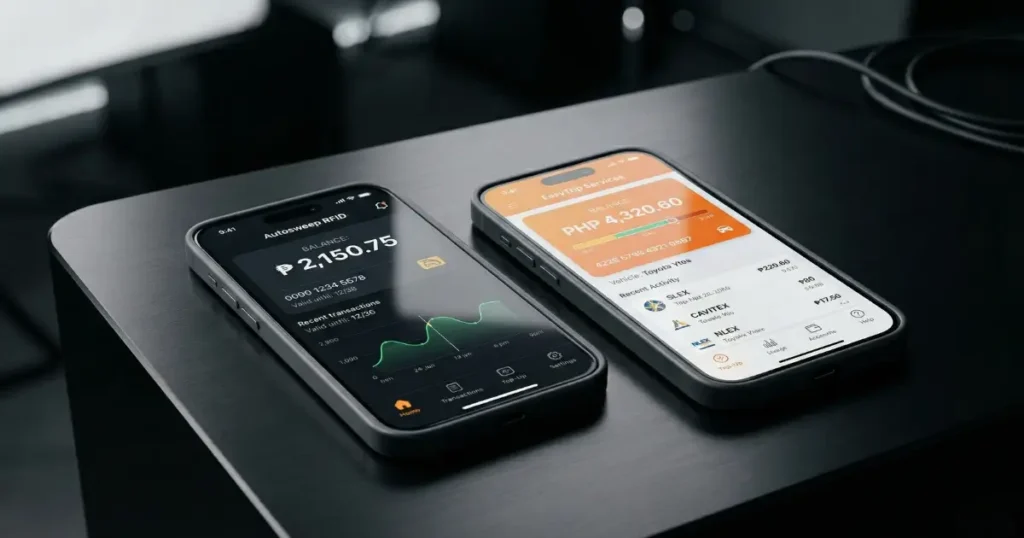
Both apps have improved considerably over the past two years. Here’s how they compare in daily use:
Autosweep App
- Real-time balance check
- Transaction history
- SMS notification for toll deductions
- Account management
- Available on Android and iOS
Easytrip App
- Real-time balance check
- Transaction history
- Reload via the app directly
- LED display status check at toll booths
- Push notifications
- Available on Android and iOS
In practice, both apps are stable enough for everyday use. The Easytrip app gets slightly better reviews for reload speed. The Autosweep app is more straightforward but less feature-rich.
You can also check your balance via SMS notification, at the LED display at the toll booth itself, or through your account on each system’s website.
How to Get Your RFID: Installation Guide
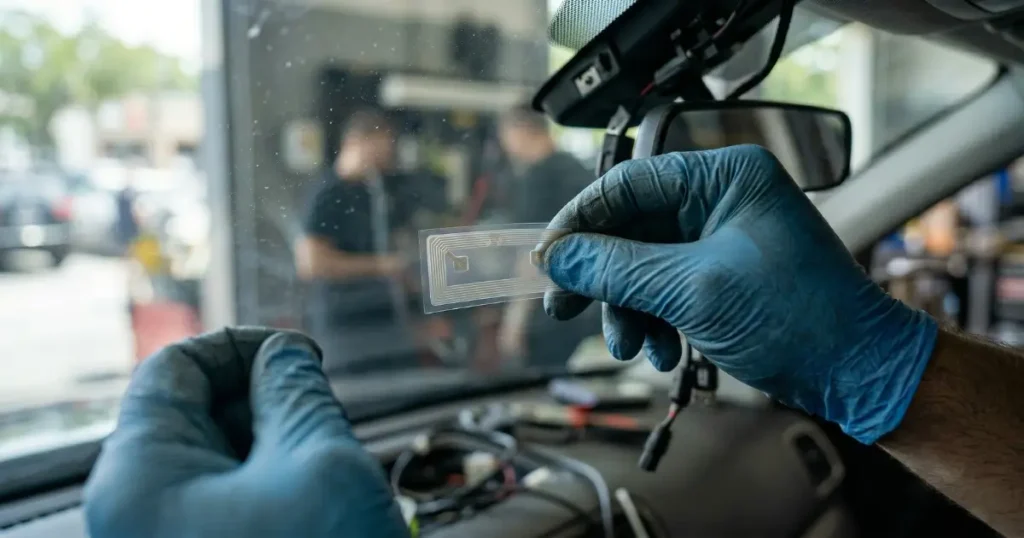
Where to Get Autosweep RFID
- Toll plazas along SLEX, Skyway, NAIAX
- SM Malls (select branches with SMC Tollways kiosks)
- Partner gas stations
- Key locations: Alabang, Calamba, Bicutan, Buendia, Nagtahan
Where to Get EasyTrip RFID
- NLEX, SCTEX, TPLEX toll plazas
- SM Malls (select branches)
- Partner gas stations
- Key locations: Balintawak, Meycauayan, Bocaue
What to Bring (Both Systems)
- Vehicle OR/CR (Official Receipt and Certificate of Registration)
- Government ID (any valid, with photo)
- Payment for the sticker and initial load
Operating hours at most installation sites are 8 AM to 5 PM, including some weekends. Walk-in installation usually takes 10 to 15 minutes if there’s no queue. During peak periods or new system rollouts, expect 20 to 30 minutes.
Real-World Example: The Cavite Commuter Dilemma
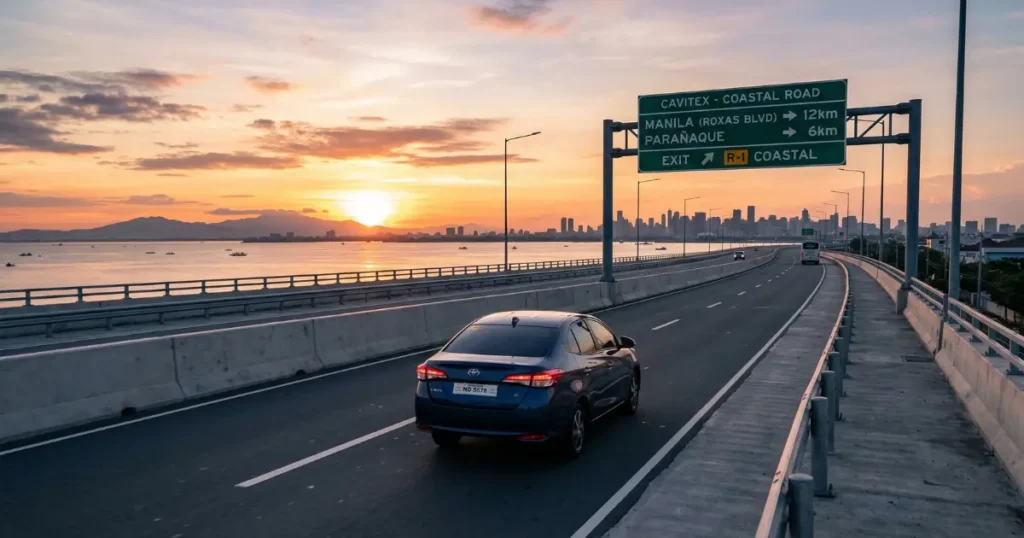
Here’s a scenario that comes up constantly: A driver based in Bacoor, Cavite, works in BGC and occasionally visits family in Bulacan.
For the CAVITEX to Skyway to SLEX portion of their daily drive, they need Autosweep. But whenever they head to Bulacan via NLEX, they need EasyTrip.
Result? They end up getting both. Their total setup cost was around ₱900, split between two accounts. They reload each one separately via GCash, usually every two weeks.
This is the reality for a huge slice of Metro Manila’s driving population. Not because the system is well-designed, but because that’s just what the current two-network setup requires.
Common Mistakes to Avoid
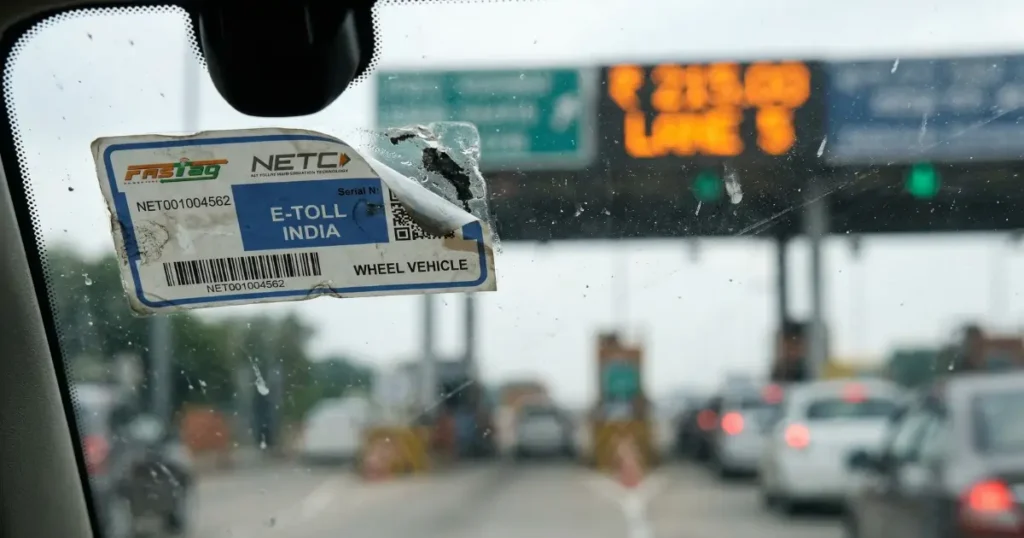
1. Assuming one RFID covers all expressways. It doesn’t. Autosweep and EasyTrip are completely separate. Check the coverage map before you assume.
2. Letting your balance run too low. Both systems require a minimum balance to pass through toll plazas. Running out mid-trip means you’ll have to stop at a cash lane, which defeats the whole purpose.
3. Wrong windshield placement. RFID stickers must be placed exactly where the installer tells you. A crooked or repositioned sticker often fails to scan. If you’ve peeled and restuck yours, get it checked.
4. Forgetting to update your account after vehicle transfer. If you sell your car, the RFID account is tied to your vehicle’s CR/OR. Failing to update this causes issues for the new owner and sometimes for billing.
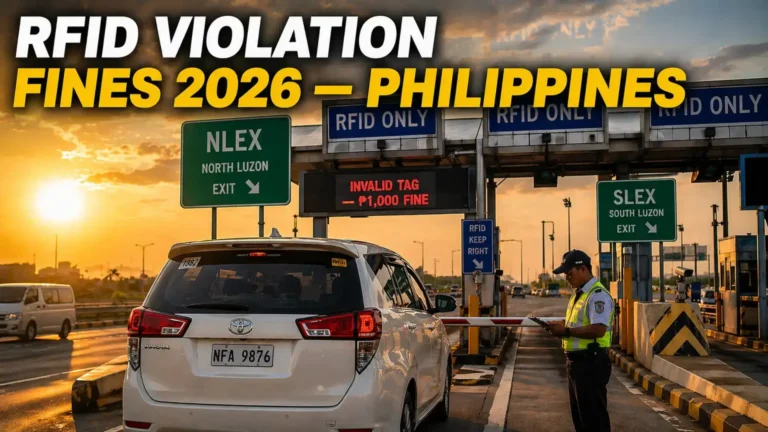
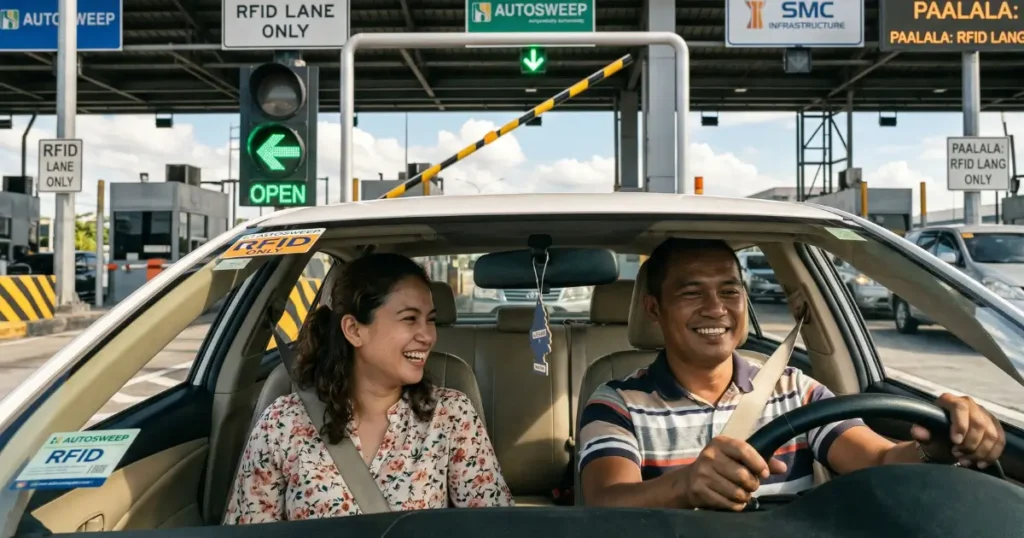
5. Using the wrong lane. Even with a valid RFID, using the wrong system’s lane will flag you. Autosweep lanes do not read EasyTrip stickers and vice versa.
So Which One Do You Actually Need?
Here’s the simple answer:
- Drive south (SLEX, Skyway, STAR, NAIAX, CAVITEX, MCX)? Get Autosweep.
- Drive north (NLEX, SCTEX, TPLEX, Harbor Link, CALAX)? Get EasyTrip.
- Drive both? Get both. There’s no way around it until the TRB fully rolls out a single RFID system or complete interoperability across all 13 expressways.
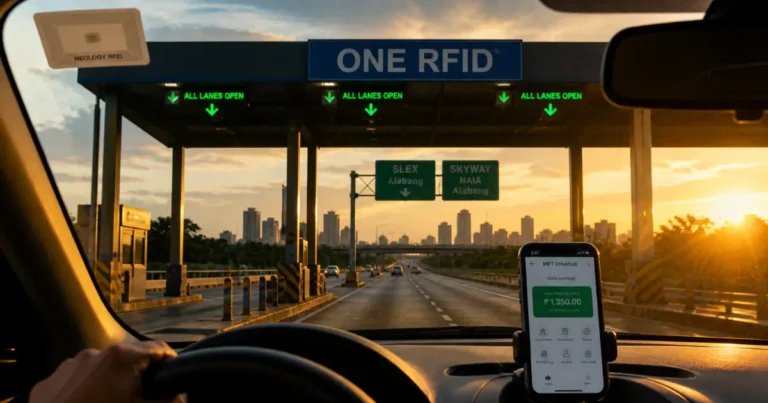
The unified toll collection future is coming. The DOTr has signaled it, and the TRB has been working toward it. But until that day officially arrives, your best move is to equip your vehicle with whichever RFID matches your most frequent routes, and add the second one if your driving takes you across both networks.
Visit autosweep.com.ph or easytrip.ph to register, manage your account, or find the nearest installation site.
Frequently Asked Questions
Q: Can I use EasyTrip on SLEX or Skyway?
No. EasyTrip is an MPTC system and only works on MPTC-operated expressways like NLEX, SCTEX, TPLEX, CALAX, and others. SLEX and Skyway are SMC Tollways roads that require Autosweep RFID.
Q: Is CAVITEX under Autosweep or EasyTrip?
CAVITEX has sections under both networks. The Cavite Expressway (CAVITEX) main line is under MPTC’s EasyTrip, while the MCX and related connector roads use Autosweep. Always check signage at the toll plaza before entering.
Q: How much does it cost to get both EasyTrip and Autosweep in 2026?
Getting both will cost you approximately ₱900 to ₱1,000 total, covering two ₱200 sticker fees and the minimum initial loads for each account (₱300 for EasyTrip, ₱500 for Autosweep for Class 1 vehicles).
Q: Are EasyTrip and Autosweep interoperable in 2026?
As of 2026, full interoperability between EasyTrip and Autosweep has not been implemented. The TRB and DOTr have been working toward a unified RFID system, but drivers on both networks still need two separate accounts with separate balances.
Q: Where is the fastest way to reload Autosweep or EasyTrip?
GCash is the fastest and most convenient reload method for both systems. Reloads are processed almost instantly and can be done from anywhere through the GCash app. Both the Autosweep app and EasyTrip RFID app also support direct in-app reloading via linked bank accounts or e-wallets.